

Why Choose Wood Burner Stoves?
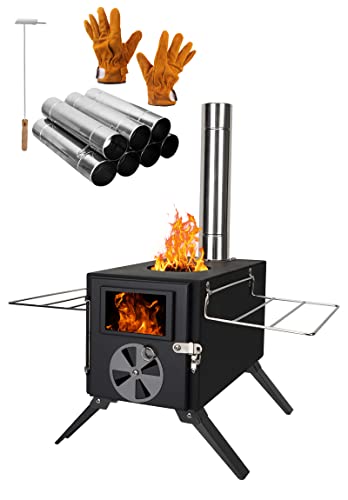
Wood burner stoves have received some negative press lately however they're an excellent option for many homes. They offer a self-contained heat source that will remain in operation even during power outages.
Wood is thought to be carbon-neutral since trees absorb the same amount of carbon dioxide when they are burned - so, if sourced from local communities and forests, it is also eco-friendly.
Eco-friendly
Wood burner stoves can reduce energy bills and are environmentally sustainable. You can reduce your carbon footprint by up to 90% by replacing older stoves with ecodesign stoves or clearSkies level five certified stoves that are DEFRA approved. A new clean-burn wood burner is more efficient than older models or open fires, meaning less heat is lost through the chimney.
Stoves that are believed to be Ecodesign certified are the most eco-friendly since they are equipped with a honeycombed catalytic combustor to spark particulates from the smoke before they head up the chimney. They also require a lesser volume of air in order to achieve optimum combustion, which leads to higher efficiency and fewer emissions of pollutants.
Another way that wood burners can be deemed eco-friendly is to allow you to self-source your own firewood. You can make a day of fun for all the family by collecting wood from nearby forests, parks and woodlands. Then you can unwind by a warm stove.
A wood stove can help reduce the carbon footprint of your home by emitting radiant heat which is able to warm the area around it. It's therefore more efficient than a heater that is able to blow hot air into the room through the ceiling, and can heat a specific area of your home much faster.
Wood stoves can also help save money on rising gas and electricity prices. This is an excellent benefit at a time when both fuels are exploding in price. You can also stay clear of price increases from energy providers and benefit from discounts during the season on firewood.
Warmth
Many people utilize wood stoves to keep their energy costs down. These wood stoves are more efficient than a fireplace and feature built-in ventilation systems that help reduce greenhouse gas emissions. Additionally, they also burn less fuel and produce lots of heat. It's important to remember that wood stoves only provide warmth when they are properly insulated and operate efficiently. They can overheat, causing the fire to die out.
A wood burning stove is a metal appliance with a firebox that is closed. The logs are burned in the central "belly" and air is pumped through vents into the flames. The resulting heat radiates into the room, and the waste gases and smoke escape through a chimney and a ventilation pipe. wood burning stoves for sale of wood stoves are available that include catalytic and non-catalytic models. Non-catalytic models function by pushing air through the combustion process, while catalytic stoves make use of a specific fuel mix to ensure an efficient and clean burning.
Some wood stoves stand alone, while others are built into walls. The latter are designed to emit radiant heat at the front of the wood stove and release the majority of their warmth via convection. They don't heat the room as quickly and instead, they offer continuous circulation of warm air to the entire area. In order to spread the heat further, you can purchase or install fans that let hot air escape from the stove and into other rooms. The best method to accomplish this is to connect the stove to the heating system.
Efficiency
Wood stoves are a highly efficient way of heating a room. They can be used to heat a room or a complete house, and are available in a variety of styles and designs so can be free standing or integrated into walls. They are a green way to heat your house and can reduce your heating costs and carbon emissions.
Modern stoves also have high heat transfer efficiency rating, which allows you to get the most of your logs. This is vital, as traditional open fires lose up to 80% of their warmth through the chimney. With a new, more efficient wood stove, this loss can be reduced as low as 20%.
Wood-burning stoves that are efficient operate by introducing pre-heated air over the fire. This helps to speed the combustion process and keeps the gases warm so that they can combust fully. This decreases harmful emissions and creosote build in the flue.
However, it is important to note that the type of wood you use could have a significant impact on the efficiency of your wood stove. It is recommended to use dry seasoned wood with less than 20 percent. Wet wood produces lots of fumes which can pollute the air and generate little heat.
Another benefit of a wood stove is that it can operate independently of gas or electricity. This makes it a reliable heat source and will provide warmth during power cuts. It is also a good option to be prepared for unforeseen situations, like an unexpected frost.
Convenience
Wood stoves provide a high-quality heating that is hard to beat. This is a huge selling point for people who have limited space in their homes, or who want to cut down on expensive energy bills.
Modern wood stoves incorporate advanced technology, in addition to their efficient heat output to guarantee minimal impact on the environment. They employ an insulated chimney system that can let smoke and fresh air as they burn, as well as a blower fan to ensure constant circulation and flow of air. This keeps the fire burning at a constant rate and stops ash and soot from accumulating on the stove.
As an environmentally sustainable, renewable fuel source, wood is carbon-neutral. This means that trees absorb carbon dioxide when they're growing and release it after burning. This also decreases the need to rely on fossil fuels that have been proven to be a major contributor to climate change. Selecting locally-sourced certified wood can further reduce your carbon footprint.
Stoves are not only practical they also provide an attractive aesthetic appeal to the living space. It's ideal for creating a warm and welcoming atmosphere, which helps families spend time together. Studies have shown that sitting in front of a fire can lower blood pressure and heart rate.
Before you invest in a wood stove, it's important to understand the safe distances that need to be maintained between it and your furniture. You should also look for a wood stove that is EPA (Environmental Protection Agency), as this signifies that it has met strict emission standards. Choosing one that's not may be illegal in your region and could cause dangerous fumes to leak into your home.
Design
Wood burner stoves have a remarkable heat output, meaning they're able to heat entire homes. They are a great choice for people who want to reduce their electricity bills. They also serve as an excellent source of heat during power outages due to the fact that they use natural gas.
Many wood burner stoves permit the user to control amount of air circulated through the fire by closing or opening dampers. This allows the fire to burn more slowly and efficiently, which results in a higher heating capacity. A chimney is used to blow out some of the gases produced when burning wood. This helps reduce the number of pollutants in the environment.
Additionally, utilizing locally sourced wood for your fuel can help reduce the impact a wood stove has on the environment. This prevents any wood scrap from being dumped and it also safeguards other trees from being cut down unnecessarily. This is a more eco friendly option than fossil fuels.
With their clean lines and timeless design, wood stoves can look fantastic in both traditional and contemporary spaces. They also work well in rustic and farmhouse decor schemes. Pair one with a wooden dining table and heavily patterned rug for a classic scheme that's perfect for a spot of afternoon tea and a good old-fashioned chinwag. You could even add a splash of colour and pattern by painting the hearth or surrounding walls a bold shade. This will bring an element of personality to your space while helping to create a warm and inviting atmosphere.